
Introduction
Soft tissue injuries—affecting muscles, tendons, ligaments, and fascia—are among the most common concerns for physically active individuals and those recovering from strain, overuse, or trauma. Because these tissues often heal slowly and incompletely, there is growing interest in compounds that may support or influence recovery processes.
One such compound frequently discussed in this context is BPC-157. Often described as a peptide derived from a protein found in gastric juice, BPC-157 has been studied primarily in preclinical settings. It is commonly mentioned in conversations around soft tissue recovery, but its role remains investigational.
This page explores how BPC-157 is discussed in relation to soft tissue healing, what current research suggests, and what important limitations and considerations should be kept in mind.
Understanding Soft Tissue and Why Recovery Can Be Slow
Soft tissue includes a range of structures that support movement and stability:
- Muscles (responsible for contraction and force generation)
- Tendons (connecting muscle to bone)
- Ligaments (connecting bone to bone)
- Fascia (connective tissue surrounding muscles and organs)
Why Soft Tissue Injuries Are Challenging
Unlike some other tissues in the body, many soft tissues have:
- Limited blood supply, especially tendons and ligaments
- Complex structural organization, making full regeneration difficult
- High mechanical demand, meaning they are frequently re-stressed during healing
Because of these factors, recovery timelines can vary widely and may involve incomplete healing or recurrent issues.
Why BPC-157 Is Discussed for Soft Tissue Recovery
Interest in BPC-157 for soft tissue support largely stems from early research suggesting potential effects on processes involved in healing.
Areas of Focus in Research
Preclinical studies have explored how BPC-157 may interact with:
- Angiogenesis (formation of new blood vessels)
- Collagen production and organization
- Inflammatory signaling pathways
- Cell migration and repair mechanisms
These processes are central to soft tissue healing, which is why BPC-157 is often brought up in discussions around recovery.
However, it is important to interpret these findings cautiously, as most data comes from animal studies, not large-scale human trials.
Soft Tissue Healing: A Quick Overview
To understand where BPC-157 might fit into the conversation, it helps to look at how soft tissue healing typically occurs.
1. Inflammatory Phase
- Occurs immediately after injury
- Characterized by swelling, redness, and immune activity
- Necessary for clearing damaged tissue
2. Proliferation Phase
- New cells begin forming
- Collagen is produced, though initially disorganized
- Blood vessels may develop to support healing
3. Remodeling Phase
- Tissue gradually strengthens and reorganizes
- Collagen fibers align with stress patterns
- Can take weeks to months
Disruptions in any of these phases can lead to delayed or incomplete healing.
What Research Suggests About BPC-157 and Soft Tissue
Tendon and Ligament Models
Some animal studies suggest that BPC-157 may:
- Influence tendon-to-bone healing
- Support collagen organization
- Improve biomechanical strength in injured tissues (in controlled models)
This is one reason it is often discussed alongside tendon and ligament concerns. For more detail, see:
➡️ /bpc-157-for-tendon-and-ligament-support/
Muscle Recovery Models
In preclinical settings, BPC-157 has been studied for:
- Muscle injury recovery
- Cellular repair processes
- Interaction with growth-related signaling pathways
Related topic:
➡️ /bpc-157-for-muscle-recovery/
General Tissue Repair and Inflammation
Some research suggests BPC-157 may interact with inflammatory pathways and vascular responses. This has led to broader interest in its potential role in recovery environments.
More context:
➡️ /bpc-157-and-inflammation/
Important Context: Translating Research to Real-World Use
While preclinical findings are often cited, translating these results to human outcomes is not straightforward.
Key Differences Between Models and Humans
- Animal models are tightly controlled
- Injury types may not reflect real-world conditions
- Dosing and delivery methods differ significantly
- Human variability (age, health, activity level) is much greater
Because of this, findings from early studies should be viewed as exploratory, not definitive.
How BPC-157 Fits Into the Broader Recovery Conversation
BPC-157 is often discussed alongside other approaches to soft tissue recovery.
Conventional Recovery Strategies
Evidence-based recovery typically includes:
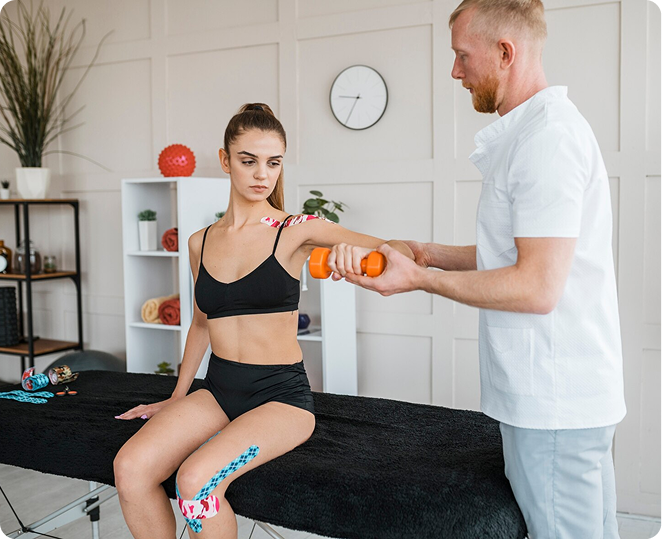
- Progressive rehabilitation and physical therapy
- Load management and rest
- Nutrition and protein intake
- Sleep and systemic recovery factors
These remain foundational regardless of interest in investigational compounds.
Other Peptides and Recovery Approaches
BPC-157 is sometimes compared to other peptides or recovery strategies. For example:
- Growth-related peptides
- Hormonal optimization approaches
- Other experimental compounds
Learn more here:
➡️ /bpc-157-vs-other-recovery-peptides/
➡️ /bpc-157-vs-hormone-optimization-for-recovery/
Common Misunderstandings About BPC-157 and Soft Tissue Recovery
“It Speeds Up Healing in Humans”
While some studies suggest potential effects in animals, there is limited human evidence confirming faster healing.
“It Works for All Types of Injuries”
Soft tissue injuries vary widely:
- Acute vs chronic
- Mild vs severe
- Structural vs inflammatory
No single intervention applies universally.
“It Replaces Rehabilitation”
Recovery is multi-factorial. Even if a compound influences biological processes, mechanical loading and rehab remain essential.
Key Considerations and Limitations
Limited Human Research
- Few large-scale clinical trials
- Lack of standardized dosing protocols
- Unclear long-term effects
Regulatory Status
- Not approved for general medical use
- Often categorized as an investigational compound
Variability in Use
- Differences in formulation and quality
- Inconsistent sourcing outside regulated systems
Uncertainty Around Mechanisms
Although mechanisms are proposed, they are not fully confirmed in humans.
Frequently Asked Questions
1. Is BPC-157 proven to help soft tissue recovery?
Current research suggests potential effects in preclinical models, but more human studies are needed to confirm its role in soft tissue recovery.
2. Does BPC-157 work for tendon or ligament injuries?
It is commonly discussed in that context due to animal research, but clinical evidence in humans remains limited and inconclusive.
3. How does BPC-157 compare to standard recovery methods?
Standard methods like rehabilitation, nutrition, and rest are well-established. BPC-157 is still investigational and not a replacement for these approaches.
4. Why do athletes talk about BPC-157?
Interest often comes from early research and anecdotal discussions, particularly in recovery-focused communities. However, anecdotal reports are not a substitute for clinical evidence.
5. Can BPC-157 be used for chronic injuries?
There is no clear clinical consensus. Chronic injuries involve complex biological and mechanical factors, and more research is needed to understand any potential role.
Conclusion
BPC-157 is frequently discussed in relation to soft tissue recovery because of early research exploring its effects on processes like inflammation, angiogenesis, and tissue repair. These findings have generated interest, particularly among individuals dealing with muscle, tendon, or ligament concerns.
However, it is important to approach this topic with a clear understanding of the limitations:
- Most evidence comes from animal and laboratory studies
- Human data is limited and still evolving
- It remains an investigational compound, not an approved treatment
Soft tissue recovery is complex and influenced by many factors, including rehabilitation, activity levels, nutrition, and overall health. While compounds like BPC-157 are being studied, they are only one part of a much broader picture.
For those exploring recovery-related topics, it may be helpful to review additional resources:
- /bpc-157-for-recovery/
- /blog/how-long-does-bpc-157-take-to-work/
- /blog/common-questions-about-bpc-157/
Staying informed and grounded in current evidence can help support more realistic expectations and better decision-making.